

How Does the Hill Country Climate Actually Compare to California?
The Hill Country has a humid subtropical climate. It is not the dry heat of the California interior or the mild, marine-influenced weather of the Bay Area. Here is the seasonal breakdown:
| Season | California (Coastal) | Texas Hill Country |
|---|---|---|
| Spring (Mar - May) | Bay Area: 55 to 70 degrees, foggy mornings, pleasant afternoons. Los Angeles: 60 to 75 degrees, mostly dry, occasional Santa Ana winds. | 70 to 85 degrees, green and wildflower-rich. Peak Hill Country beauty. Occasional severe storms. |
| Summer (Jun - Aug) | Bay Area: 60 to 80 degrees, mild and comfortable. Los Angeles: 75 to 95 degrees, low humidity, manageable. | 90 to 100 degrees with humidity. Highs of 95 to 100, heat index occasionally 105+. This is the challenging season. |
| Fall (Sep - Nov) | Bay Area: 55 to 75 degrees, Indian summer in September and October. Los Angeles: 65 to 85 degrees, Santa Ana wind season. | 70 to 90 degrees early, cooling to 55 to 75 by November. Second-most pleasant season. |
| Winter (Dec - Feb) | Bay Area: 45 to 60 degrees, rainy season, mild. Los Angeles: 50 to 70 degrees, mild with occasional rain. | 40 to 65 degrees. Occasional freezes possible (see: February 2021). Typically mild with some cold fronts. |
The honest assessment: summer is the price you pay for mild winters, no state income tax, and affordable housing. It is real and it lasts four months (June through September). For a deeper analysis of how climate patterns like El Niño affect the Hill Country — including rainfall, flood risk, and drought — see our El Niño and the Hill Country guide. Most residents adapt by adjusting their daily schedule (early morning outdoor activity, indoor afternoons), investing in good air conditioning, and spending time near water during the hottest weeks.
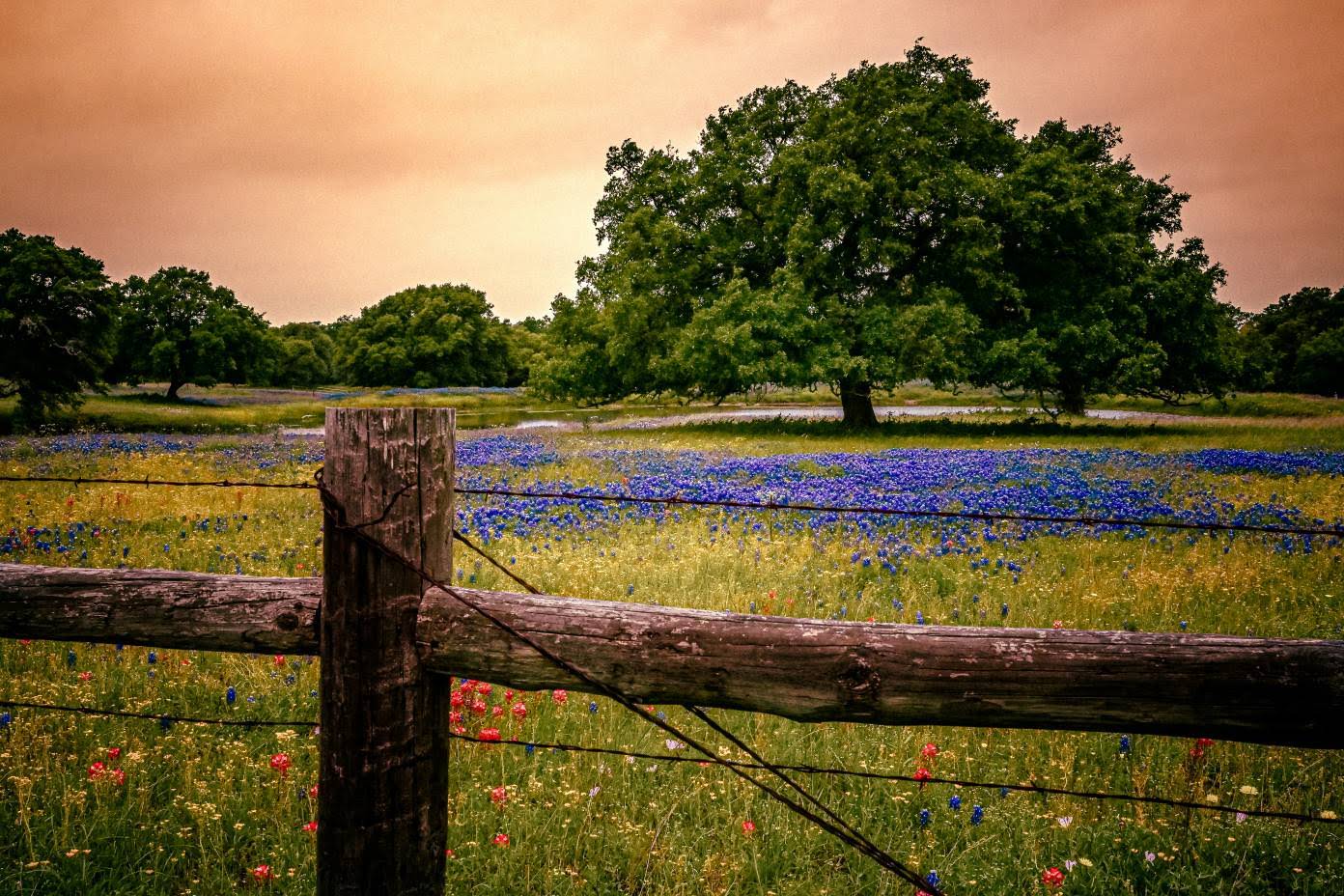
The Hill Country also receives significantly more rainfall than Southern California (about 32 to 35 inches annually vs 12 to 15 inches in LA). The landscape is greener and more lush than most California transplants expect.
"The Texas Hill Country receives an average of 32 to 35 inches of rainfall annually, supporting a diverse ecosystem of live oak, cedar elm, and native wildflowers across the region's rolling terrain."
- Texas Parks and Wildlife Department, Hill Country Region
What Cultural Differences Should California Transplants Expect?
The cultural differences between California and the Texas Hill Country are real, but they are not the caricatures you see online. Here is what people actually report:
What's Different
- Pace of life: Hill Country towns operate at a slower pace than California urban areas. Conversations are longer. Strangers greet you. This is genuine, not performative.
- Political environment: The region leans conservative. California transplants who come with strong opinions about politics are advised to listen first and share later. Most people here are welcoming regardless of political affiliation, but the social norms are different.
- Less traffic: The San Antonio metro has traffic, but nothing comparable to the Bay Area or LA. Most Hill Country commutes to San Antonio run 20 to 35 minutes on roads that are not congested, compared to the average Bay Area commute of 45 to 60 minutes. This is a daily quality-of-life improvement that compounds quickly.
- Gun culture: Texas has a more visible relationship with firearms than California. This ranges from casual (friends who hunt) to committed (shooting sports, self-defense). It is part of the landscape. Your comfort level will vary.
- Churches play a larger social role: In smaller Hill Country towns, churches serve as community gathering points beyond worship. Even for non-religious residents, understanding this helps you navigate the social structure.
What People Miss
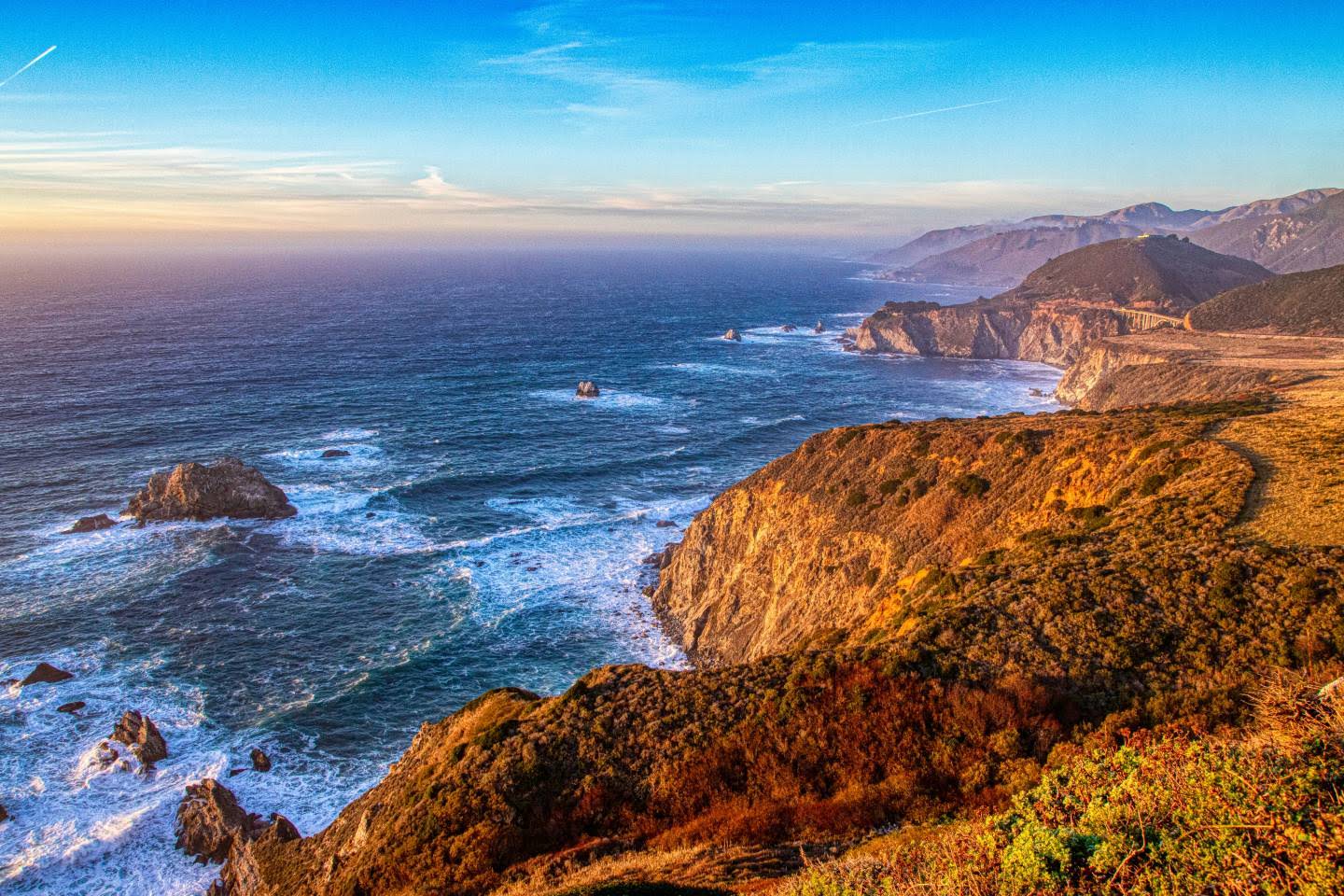
- Proximity to the ocean: The nearest Gulf Coast beach (Port Aransas, Corpus Christi) is about 2.5 to 3 hours. This is not a day trip. California coastal access is gone.
- Restaurant density: San Antonio's restaurant scene is excellent, but the Hill Country towns have fewer options within a 10-minute drive. You will adjust, but the variety shrinks.
- Mountain and desert scenery: The Hill Country is beautiful but different. Rolling hills, live oak, limestone, and wildflowers. No granite peaks or desert vistas.
- Year-round outdoor weather: The summer heat limits outdoor activity to mornings and evenings for three to four months. California's more moderate climate is hard to replicate.
What People Love
- Space: Larger homes, larger lots, less density. Many relocators describe the feeling of space as the single biggest lifestyle improvement.
- Cost of living: The financial relief is real and immediate. Lower housing costs, no state income tax, and affordable daily expenses create room in the budget that did not exist in California.
- Community: Hill Country towns have genuine community structures. People know their neighbors, participate in local events, and maintain long-term relationships.
- Outdoor recreation: Hill Country State Natural Area, Guadalupe River, tubing, hiking, hunting, and fishing. The outdoor culture is different from California's but active and accessible.
- Central location: Austin is roughly 90 minutes northeast from Boerne, slightly longer from communities further west. San Antonio is about 30 minutes southeast. The Texas Hill Country sits between two major cities with airports, entertainment, and cultural amenities.

How Do You Integrate Into a Hill Country Community?
Integrating into a Hill Country community takes effort but is more accessible than many relocators expect. Practical steps:
- Join a group or organization. Boerne has active civic organizations, volunteer fire departments, the Kiwanis Club, garden clubs, and a vibrant arts community. Participating in one activity consistently is the fastest path to feeling at home.
- Attend local events. Boerne's Main Street events, farmers markets, and the annual Berges Fest are community anchors. Showing up matters.
- Don't lead with California. This is practical advice. People in the Hill Country have opinions about California transplants (some warranted, some not). Lead with genuine interest in the community rather than comparisons to what you left behind.
- Explore the region. Fredericksburg, Wimberley, Gruene, Comfort, and Bandera are all within an hour. The Hill Country has depth beyond your immediate address.
What Should You Know About Healthcare in the Hill Country?
- San Antonio's South Texas Medical Center is a major medical complex housing 25+ medical facilities including hospitals, specialty clinics, and research institutions. Notable facilities include University Hospital, Methodist Hospital, and the Mays Cancer Center (an NCI-designated cancer center).
- Boerne has growing medical infrastructure with primary care, urgent care, and specialty clinics serving roughly 19,000 residents. For major procedures and specialists, San Antonio is 30 to 40 minutes via Interstate 10.
- Healthcare quality: The San Antonio medical community is well-regarded nationally. Finding primary care and specialists comparable to what you had in California is achievable.
- Insurance networks: Verify that your health insurance network includes Texas providers before relocating. This is a common oversight.
Read the full Healthcare guide for hospital drive times, primary care providers, insurance comparison, telehealth options, and mental health services.
How Does Airport Access and Travel Compare?
- San Antonio International Airport (SAT): approximately 30 minutes from Boerne, 35 to 45 minutes from Fair Oaks Ranch, and 45 to 60 minutes from western Kendall County. Direct flights to most major US cities. Smaller than SFO or LAX but functional and manageable.
- Austin-Bergstrom International (AUS): Roughly 90 minutes northeast from Boerne, slightly longer from communities further west. Additional flight options, particularly for budget carriers.
- For frequent California travelers: Direct flights from SAT to SFO, LAX, and SJC are available on multiple carriers. Flight times are approximately 3 to 3.5 hours.
- The airport difference is real but manageable. You will fly less frequently once you settle in. Most relocators report that the reduced travel frequency compensates for the smaller airport.
Frequently Asked Questions
Is the Texas Hill Country hotter than California?
Yes. Summers are hotter and more humid, especially June through September. Most residents adjust by shifting outdoor activity to mornings and evenings.
Do California transplants fit in socially?
Yes, but the social norms are different. The best approach is to get involved locally, listen first, and avoid treating Texas as a cheaper version of California.
Is Boerne close enough to San Antonio for healthcare and airports?
Yes. Boerne and nearby Hill Country communities are generally within practical driving distance of San Antonio's medical center and airport, though exact drive times depend on location.
Will I miss California?
Most relocators miss the ocean, restaurant density, and mild weather. Many prefer Texas for space, lower tax burden, community, and housing value.