
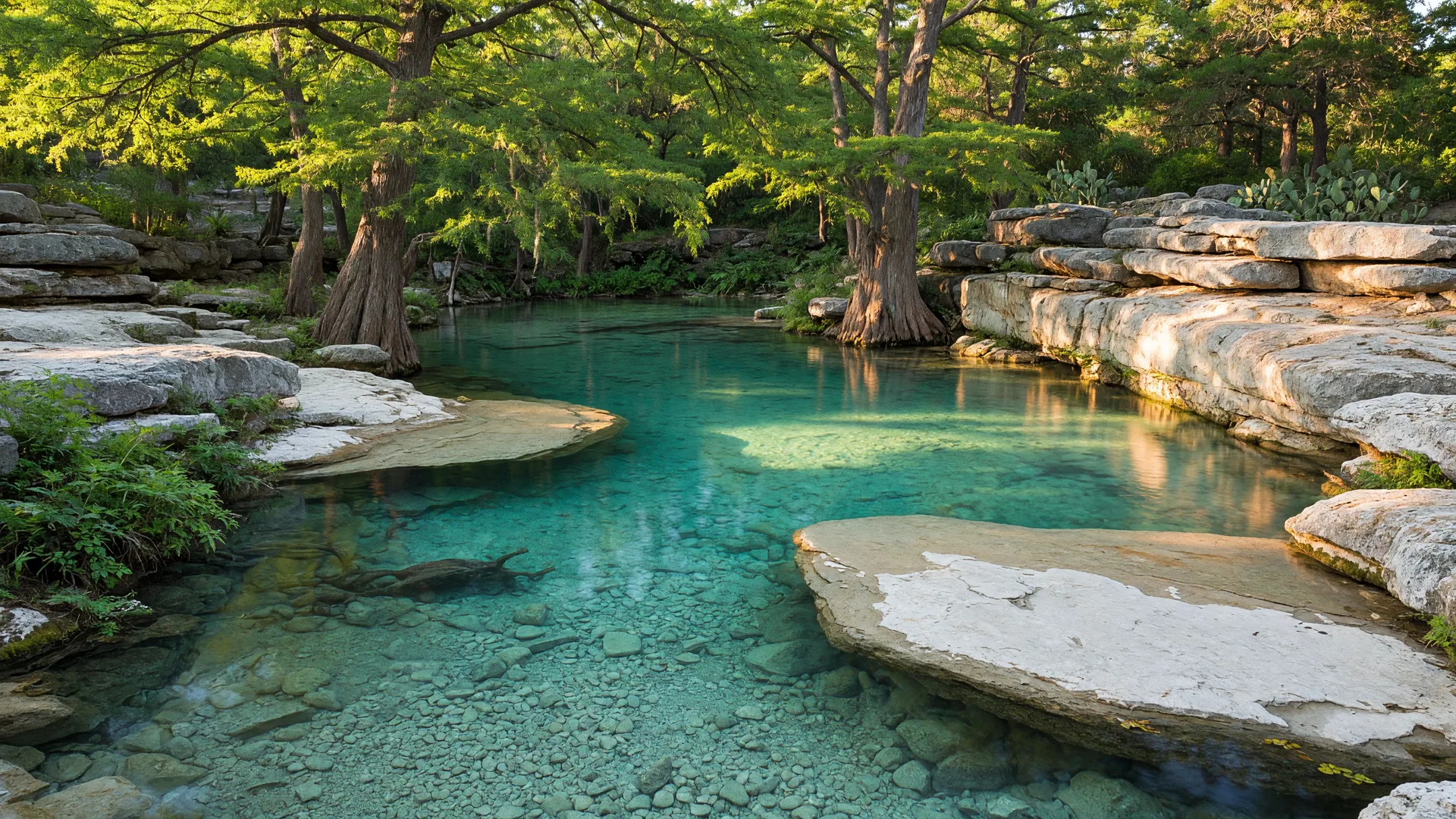
When California buyers evaluate a move to the Hill Country, they usually ask about schools, property taxes, and commute times. But the question that comes up most often in casual conversation — especially from families with kids and from anyone who spent weekends outdoors in California — is about the water. Is there a river? Can you swim in it? Is there anything like what we had back home?
The answer is yes, and the river is the Guadalupe. It is the defining waterway of the Texas Hill Country, flowing roughly 230 miles from its headwaters near Kerrville to San Antonio Bay on the Gulf Coast. For Hill Country residents, the Guadalupe is the primary river for tubing, fishing, kayaking, and swimming — and multiple sections of it are accessible within a short drive of Boerne, Fair Oaks Ranch, and San Antonio.
This guide covers what California relocators should actually know about the Guadalupe River system: where to access it, what the recreation looks like in each season, how the fishing works, and what to expect from a river lifestyle in central Texas.
The Guadalupe River System: An Overview
The Guadalupe River originates in the Hill Country near Kerrville and flows southeast for approximately 230 miles before reaching the coast. For Hill Country residents, three sections matter most:
The Upper Guadalupe — from Kerrville through Comfort and Boerne down to Canyon Lake. This section is narrower, more rural, and flows through private property for much of its length. Public access is limited, but Guadalupe River State Park provides direct access about 30 minutes from Boerne. The Upper Guadalupe is primarily a warm-water fishery for Guadalupe bass, smallmouth bass, and largemouth bass.
The Canyon Tailrace — the section immediately below Canyon Dam where cold water is released from the bottom of Canyon Lake. This 8-mile stretch supports a year-round trout fishery — the southernmost tailrace trout fishery in the United States. TPWD stocks approximately 20,000 to 25,000 rainbow trout each winter from December through late February. The tailrace is cold (around 55 to 65 degrees year-round), spring-fed in parts, and popular with fly anglers from across the country.
The Lower Guadalupe — from the FM 306 bridge downstream toward New Braunfels and beyond. This is the section most associated with recreational tubing. The river widens, the current slows, and the float trips begin. New Braunfels — about 50 minutes from Boerne — sits at the heart of Lower Guadalupe tubing culture.
River Access from Boerne and Fair Oaks Ranch
The Guadalupe is not a distant destination. Multiple access points are within a short drive of Hill Country communities, making river recreation a regular part of local life rather than a day-trip event.
| Access Point | Drive from Boerne | Primary Use | Cost |
|---|---|---|---|
| Guadalupe River State Park | 30–35 min | Swimming, fishing, kayaking, picnicking | $8 per person |
| Canyon Tailrace (below Canyon Dam) | 40–50 min | Trout fishing, fly fishing | Free |
| New Braunfels tubing launches | 45–55 min | Tubing, kayaking | $15–$30 per person (outfitter) |
| Guadalupe Canoe Livery (above Canyon Lake) | 35–45 min | Canoeing, kayaking | $25–$40 per person |
| Joshua Creek Ranch (guided trips) | 25–35 min | Guided fly fishing | $425–$750 per trip |
Tubing on the Guadalupe
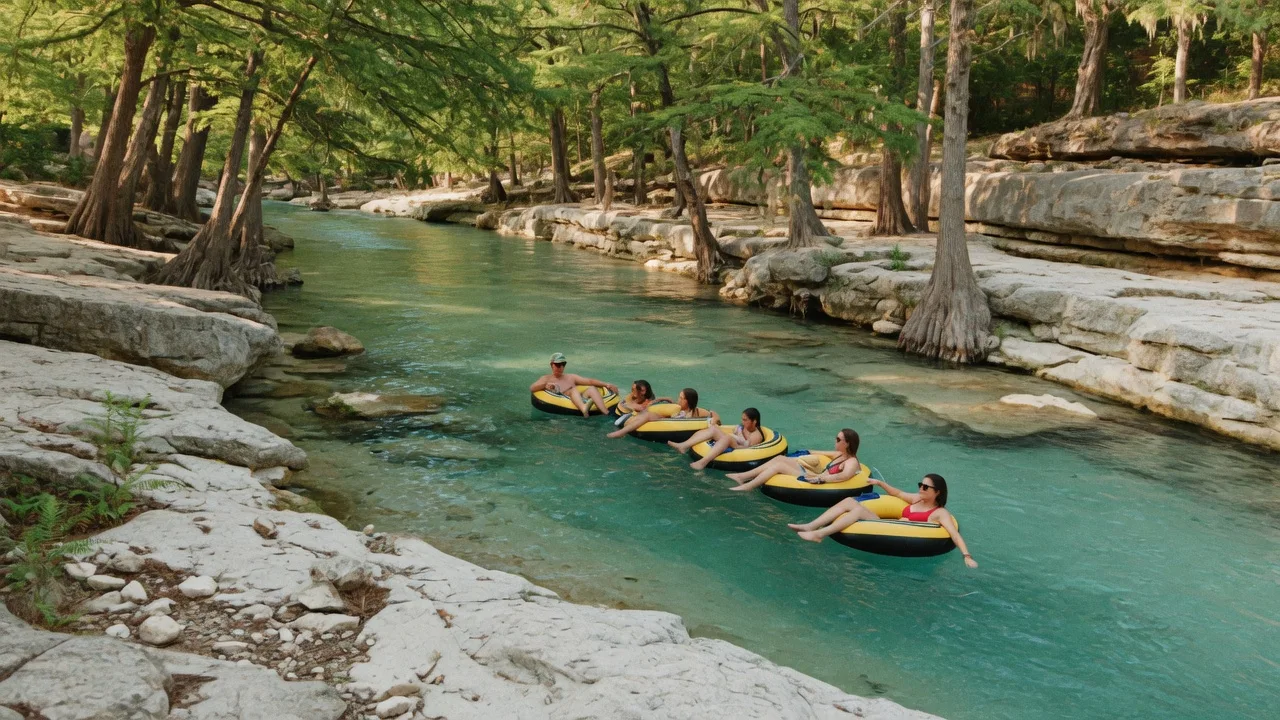
River tubing is a defining part of summer life in the Hill Country. The Guadalupe and the adjacent Comal River in New Braunfels are the two main tubing rivers in the region, and for good reason — the water is clear, the current is manageable, and the scenery is limestone bluffs and cypress canopies.
A typical tubing trip on the lower Guadalupe near New Braunfels runs two to four hours depending on water levels and how many stops you make. Tubing outfitters provide the tube, shuttle service back to your car, and often a cooler tube or dry bag rental. The season generally runs from late April through September, with peak volume on summer weekends.
For Hill Country residents, the practical difference from the tourist experience is timing. Weekend tubing in July and August — particularly on the Comal River and the most popular Guadalupe launches — draws hundreds of people. Locals tend to go on weekday mornings or early on Saturday and Sunday mornings before the crowds arrive. A Tuesday float in June is a relaxed, uncrowded experience. A Saturday float in July is a party. Both are available; the choice is yours.
What to Know Before Your First Tube Float
Water shoes are essential
The limestone riverbed is rough and slippery in places. Sandals without ankle straps will come off. Water shoes or secure sandals with heel straps work best.
Sun protection matters more than you think
Summer water temperatures on the lower Guadalupe range from the mid-70s to mid-80s. You will be in direct sun for hours. Sunscreen, a hat, and UV shirts are standard equipment.
Glass is prohibited
No glass containers are allowed on the Guadalupe or Comal rivers. Most towns along the river have local ordinances enforcing this. Cans and plastic containers only.
Tubing outfitters handle logistics
Outfitters like Tube Haus, Rockin' R, and Guadalupe Canoe Livery provide tube rental, shuttle service, and parking. Prices range from $15 to $30 per person for a standard tube-and-shuttle package.
"In California, you drove to the coast for a beach day. Here, you drive 20 minutes to a spring-fed river for a float. The activity changes, but the lifestyle of spending outdoor time on weekends does not."
Fishing the Guadalupe: What California Anglers Should Know
The Guadalupe River offers two distinct fishing experiences that will appeal to California relocators: a world-class cold-water trout fishery below Canyon Dam, and a warm-water bass fishery on the upper river. Having both within an hour of Boerne is unusual for any inland location, let alone one this far south.
Trout Fishing Below Canyon Dam
The 8-mile Canyon Tailrace below Canyon Dam is the southernmost tailrace trout fishery in the United States. The water released from Canyon Lake stays between 55 and 65 degrees year-round, supporting a population of rainbow trout that TPWD stocks annually. From early December through late February, TPWD releases approximately 20,000 to 25,000 rainbow trout into the river on a weekly basis.
The tailrace holds fish year-round, but the fishing is best from December through March when the stocked trout are actively feeding in the cold water. Brown trout, which hold over from year to year, provide additional opportunity. The section from 800 yards below the Canyon Dam release gate to the FM 306 bridge has special regulations: a 12-to-18-inch slot limit for trout (only fish 12 inches and under or 18 inches and above may be kept), with a five-trout daily bag limit.
Bank access along the tailrace is available at several public sites. Guadalupe Park, located directly below the dam, provides free year-round access for bank fishing and non-motorized boat launch. During the winter stocking season, TPWD leases additional bank access at Camp Huaco Springs and Whitewater Sports, adding roughly a mile of publicly accessible fishing bank along the river.
Fly fishing is the primary method for the tailrace. The river is narrow and technical in sections, with pool-and-riffle structure that favors nymphing and streamer fishing. Local guides are available for half-day and full-day trips, typically starting around $400 to $525 for a half day. Joshua Creek Ranch, located between Boerne and Comfort, holds a 5-star Orvis Outfitter rating and operates directly on the river.
Warm-Water Fishing on the Upper Guadalupe
The Upper Guadalupe — the section above Canyon Lake near Boerne and Comfort — supports a warm-water fishery for Guadalupe bass, smallmouth bass, largemouth bass, and sunfish. The Guadalupe bass is the official state fish of Texas and is found almost exclusively in the Guadalupe and Colorado River systems. Public access on the Upper Guadalupe is more limited due to private ranchland, but Guadalupe River State Park provides direct access with no fishing license required from the bank.
For relocators who fished in California's Sierra Nevada streams or coastal rivers, the Upper Guadalupe offers a comparable warm-water experience — smaller scale, less dramatic scenery, but genuinely productive water with native species you will not find anywhere else.
Swimming and Swimming Holes
For California relocators accustomed to ocean swimming or alpine lakes, the Guadalupe River offers a different but satisfying alternative. The river has multiple sections with calm, clear pools suitable for swimming, and the spring-fed water stays cooler than you might expect in a state known for heat.
Guadalupe River State Park
The most accessible swimming on the Guadalupe near Boerne is at Guadalupe River State Park. The park provides river access points with gradual limestone entries that work well for families. The water through this section is relatively clear and shallow enough in most spots for wading and swimming. The park charges $8 per person for day use, and the swimming is free once you are inside. Arrive early on summer weekends — the park reaches capacity and closes the gates.
Spring-Fed Swimming Holes
The Hill Country is dotted with spring-fed swimming holes, many on private property but some accessible through parks and natural areas. The water emerges from the Edwards Aquifer at consistent temperatures — typically around 68 to 72 degrees — which makes swimming pleasant even in August when air temperatures exceed 100 degrees. The Cibolo Creek in Boerne has several swimming-accessible sections, though the best spots tend to be on private land. Public options include Guadalupe River State Park and various city-maintained access points along the Guadalupe and Comal rivers.
What to Know About River Water Quality
Texas river water is generally safe for swimming but varies by section and season. The Guadalupe below Canyon Lake tends to be cleaner and clearer than sections downstream of urban areas. After heavy rain, all Texas rivers experience elevated bacteria levels and reduced visibility — avoid swimming for 24 to 48 hours following significant rainfall. TPWD and local health departments publish periodic water quality reports for major recreational rivers.
Seasonal Guide: When to Use the River
The Guadalupe River offers different experiences depending on the season. Understanding the cycle helps you plan — and explains why Hill Country residents use the river year-round rather than just in summer.
Spring (March through May)
Spring is the most scenic season on the river. Wildflowers bloom along the banks, water levels are typically higher from seasonal rains, and temperatures are comfortable for all activities. This is prime time for fishing, kayaking, and riverside hiking. Crowds are moderate — busier than winter, but well below summer levels.
Summer (June through August)
Summer is tubing season. The lower Guadalupe and Comal River see peak use from Memorial Day through Labor Day. Water temperatures on the lower river are warm enough for all-day swimming. The Canyon Tailrace remains cold year-round, making it a popular escape from summer heat for anglers. Summer thunderstorms can cause rapid water level changes — never camp in a riverbed when storms are forecast.
Fall (September through November)
Fall is the most underrated season on the river. Temperatures drop into the 70s and 80s, the crowds thin significantly, and the water levels typically stabilize after summer. This is an excellent time for fishing, paddling, and swimming. The Guadalupe bass fishing is particularly good in fall as fish become more active in cooler temperatures.
Winter (December through February)
Winter is trout season. TPWD's annual stocking program makes the Canyon Tailrace the primary destination for cold-weather fishing in the Hill Country. The river is quiet, the parking areas are uncrowded, and the fishing can be outstanding — particularly on weekday mornings after a fresh stocking. Winter is not tubing season, but it is arguably the best time to experience the river as a local rather than a visitor.
"The Guadalupe River below Canyon Lake is stocked with roughly 20,000 to 25,000 rainbow trout each winter. The water stays between 55 and 65 degrees year-round. For California anglers used to Sierra tailwaters, this is a genuine freshwater fishery — not a novelty."
Riverfront Property Considerations
Some California buyers specifically search for riverfront or river-adjacent property in the Hill Country. If that is part of your search, there are practical factors to understand.
Flood Zones
Properties along the Guadalupe and its tributaries may fall within FEMA-designated flood zones. Flood zone designation affects insurance requirements, building restrictions, and resale value. A property on the river can be an excellent home, but it requires a clear understanding of flood risk — particularly for the lower Guadalupe, which can rise significantly during heavy rain events. Your agent should provide flood zone documentation during due diligence, and flood insurance should be part of your cost analysis even if it is not technically required by your lender.
Access and Ownership
In Texas, the bed and banks of navigable rivers are generally held in public trust, but the definition of "navigable" varies, and many sections of the Guadalupe pass through private land. Riverfront property owners may or may not have direct, private access to the water depending on the specific legal status of the river segment at their property line. This is a title and survey question, not an assumption — verify it before closing.
Well Water and the Edwards Aquifer
Many Hill Country properties near the river draw water from the Edwards Aquifer through private wells. The aquifer is the same system that feeds the springs along the Guadalupe. Water quality, well depth, and flow rate vary significantly by location. A well inspection and water quality test should be standard parts of any rural property transaction near the river.
How the Guadalupe Compares to California Rivers
California offers some of the best river recreation in the country — the Russian River, the American River, the Merced, countless Sierra streams. The Guadalupe is not a substitute for those, and pretending otherwise would be dishonest. Here is what is different and what is comparable.
What is different
The Guadalupe is smaller in volume than the major California rivers. The rapids are class I to II at most — this is a floating and fishing river, not a whitewater destination. The scenery is limestone and live oak, not redwood forest or granite canyon walls. The fish species are different — Guadalupe bass and Rio Grande cichlids instead of steelhead and native rainbow trout (though the stocked rainbows in the tailrace are genuine).
What is comparable
Water temperature consistency is actually better on the Guadalupe tailrace than on many California rivers. The year-round cold release from Canyon Lake creates a stable fishing environment that most California tailwaters cannot match. The proximity to home is comparable — Guadalupe River State Park is 30 minutes from Boerne, similar to the drive time Bay Area residents had to the Russian River or Sacramento residents had to the American River.
What is better
Crowds are lower. Even at peak summer tubing season, the Guadalupe is less congested than the Russian River on a July weekend or the American River during rafting season. Winter trout fishing on the tailrace is genuinely uncrowded — weekday mornings often feel like you have the river to yourself. And the cost is lower: state park day-use fees are $8 per person, tubing rentals run $15 to $30, and fly fishing guide trips are in line with or below California rates.
Practical Information for New Residents
Fishing License Requirements
Texas requires a freshwater fishing license for anyone 17 or older. A non-resident annual freshwater license costs $58, while a resident annual license is $30. Texas offers a lifetime freshwater license for $300 — a one-time purchase that eliminates annual renewal. Fishing from the bank at Guadalupe River State Park does not require a license, though this applies only within park boundaries.
Water Levels and Safety
The Guadalupe's water level varies significantly by season and rainfall. During drought periods, sections of the upper river may run low enough to wade across. After major storms, the river can rise rapidly and dangerously. TPWD and the Guadalupe-Blanco River Authority monitor water conditions. Pay attention to rainfall forecasts before planning river activities, and never cross a flooded crossing or camp in a riverbed during storm season.
Best Starting Points for New Residents
If you are new to the area and want to experience the Guadalupe before deciding how to incorporate it into your life, start with these three experiences in order:
- Guadalupe River State Park — spend a morning or afternoon at the park. Swim, hike the Painted Bunting Trail, and get a feel for what the upper Guadalupe looks like. This is the closest river access to Boerne and the easiest first visit.
- A weekday tubing trip — in summer, take a Tuesday or Wednesday morning float through New Braunfels. This gives you the tubing experience without the weekend crowds and gives you a realistic picture of what summer river life feels like as a resident.
- A winter fishing trip — visit the Canyon Tailrace in January or February. Even if you do not fish, walking along the river below Canyon Lake in winter is a distinctive Hill Country experience: the water is running cold, the trees are bare, and the fishing pressure is low.
River Life as Part of the Hill Country Equation
The Guadalupe River is not a standalone reason to move to the Hill Country. But it is a meaningful part of the lifestyle that makes the region attractive to people who value outdoor access. For California relocators, the river answers a specific question: is there a genuine freshwater recreation culture in the Texas Hill Country? The answer is yes — and it is closer to home than most people expect.
A Saturday morning float, a winter afternoon casting for stocked trout, an evening walk along the limestone banks at Guadalupe River State Park — these are not aspirational plans for Hill Country residents. They are regular activities that fit naturally into daily life. That integration of water recreation into a routine is one of the quality-of-life details that makes the move feel worthwhile.
For a broader picture of outdoor recreation in the region, see the state and local parks guide. For a comparison of Hill Country communities and which puts you closest to the river corridor, review the city comparison guide.

Written by
Bill Ross
Hill Country Homesteads Group, brokered by KW Boerne
Bill Ross is a Texas real estate agent with nearly four decades in high-tech sales and a network of 1,000+ California real estate agents for coordinated cross-state transactions. Recognized in USA Today and The Washington Post for his relocation expertise.
Related Guides
State and Local Parks Near Boerne
Enchanted Rock, Guadalupe River State Park, Government Canyon, and more with distances, fees, and trail details.
Texas Hill Country Wineries Guide
The 290 corridor, notable tasting rooms, signature wines, and distances from Boerne.
The Texas Hill Country Landscape
Terrain, climate, seasons, vegetation, and how daily life differs from California.
What to Expect: Climate and Lifestyle
Seasonal specifics, cultural adjustment, and what daily life feels like in the Hill Country.
Sources
- Guadalupe River trout stocking schedule and access — Texas Parks and Wildlife Department (TPWD). tpwd.texas.gov
- Guadalupe River State Park — access, fees, and recreation — TPWD, Guadalupe River State Park page. tpwd.texas.gov
- Canyon Tailrace public access lease sites (Camp Huaco Springs, Whitewater Sports) — TPWD news releases, December 2024 and December 2025. tpwd.texas.gov
- Guadalupe River fishing access and regulations — TPWD, State River Access Sites and Outdoor Annual. tpwd.texas.gov
- Joshua Creek Ranch fly fishing — Orvis 5-star rated outfitter — Joshua Creek Ranch. joshuacreek.com
- Guadalupe River fishing species, stocking, and seasonal patterns — Guadalupe River Trout Unlimited (GRTU). grtu.org
- TPWD analysis of the Guadalupe River waterway — Texas Parks and Wildlife Department, PWD publication. tpwd.texas.gov
- Guadalupe River tubing outfitters and access — Tube Haus, Guadalupe Canoe Livery. tubehaus.com; guadalupecanoelivery.com
Last reviewed: July 2026. Sources verified for accuracy.