
Relocation is a trade. You gain something — financial breathing room, space, a different pace of life, a community that fits your stage — and you give something up. The families who adjust best to Texas are the ones who acknowledge this trade honestly, rather than pretending the move is purely additive.
This is not a discouraging article. It is an honest one. The California transplants who thrive in the Hill Country are the ones who anticipated the adjustments, grieved what they lost without resentment, and built new routines that replaced the old ones. The ones who struggle are the ones who expected Texas to be California with lower taxes. It is not.
Here is what Californians consistently report missing — and, just as importantly, what they thought they would miss but do not.
Food and Restaurant Diversity
California's food landscape is, simply, one of the most diverse in the world. The San Francisco Bay Area alone offers meaningful access to Thai, Vietnamese, Chinese (Cantonese, Sichuan, Shanghainese, and Hunan), Japanese, Korean, Indian, Salvadoran, Burmese, Ethiopian, and dozens of other cuisines — most at a quality level that is difficult to replicate outside of major coastal metros. Los Angeles adds Mexican regional cuisines (Oaxacan, Michoacan, Baja), Persian, Armenian, and Cambodian. Sacramento has a strong farm-to-table dining scene.
The Hill Country and San Antonio have an excellent food scene — particularly for Tex-Mex, barbecue, Southern comfort food, and increasingly for modern American dining. San Antonio's Pearl district, the River Walk area, and Southtown offer genuinely good restaurants. But the diversity is narrower. You will not find the same concentration of high-quality Thai, Vietnamese, Korean, or Japanese restaurants that you could walk to in the Bay Area or Los Angeles.
The In-N-Out vs. Whataburger debate is real and ongoing. Californians tend to miss In-N-Out initially. Most eventually develop a genuine preference for Whataburger — particularly the honey butter chicken biscuit and the patty melt. But the broader point is that certain California food staples — specific taco trucks, the sushi culture, the pho shops, the dim sum restaurants — do not have direct equivalents in the Hill Country. San Antonio offers more options than Boerne or Fair Oaks Ranch, but even San Antonio's food scene is more specialized than the broad diversity of the California coast.
What helps: Many California transplants learn to cook more at home. The quality of grocery stores in the Hill Country — H-E-B in particular — is genuinely excellent, and H-E-B's prepared foods and ingredient selection often surpass what California transplants expect. San Antonio is also an hour away for specific restaurant experiences when you want them.
Ocean Access and Geographic Variety
This is the one that catches people off guard. California offers something no other state can fully replicate: the ability to drive from a coastal city to a mountain ski resort to a desert landscape to a redwood forest in a single day. The geographic diversity is extraordinary, and residents often take it for granted until it is gone.
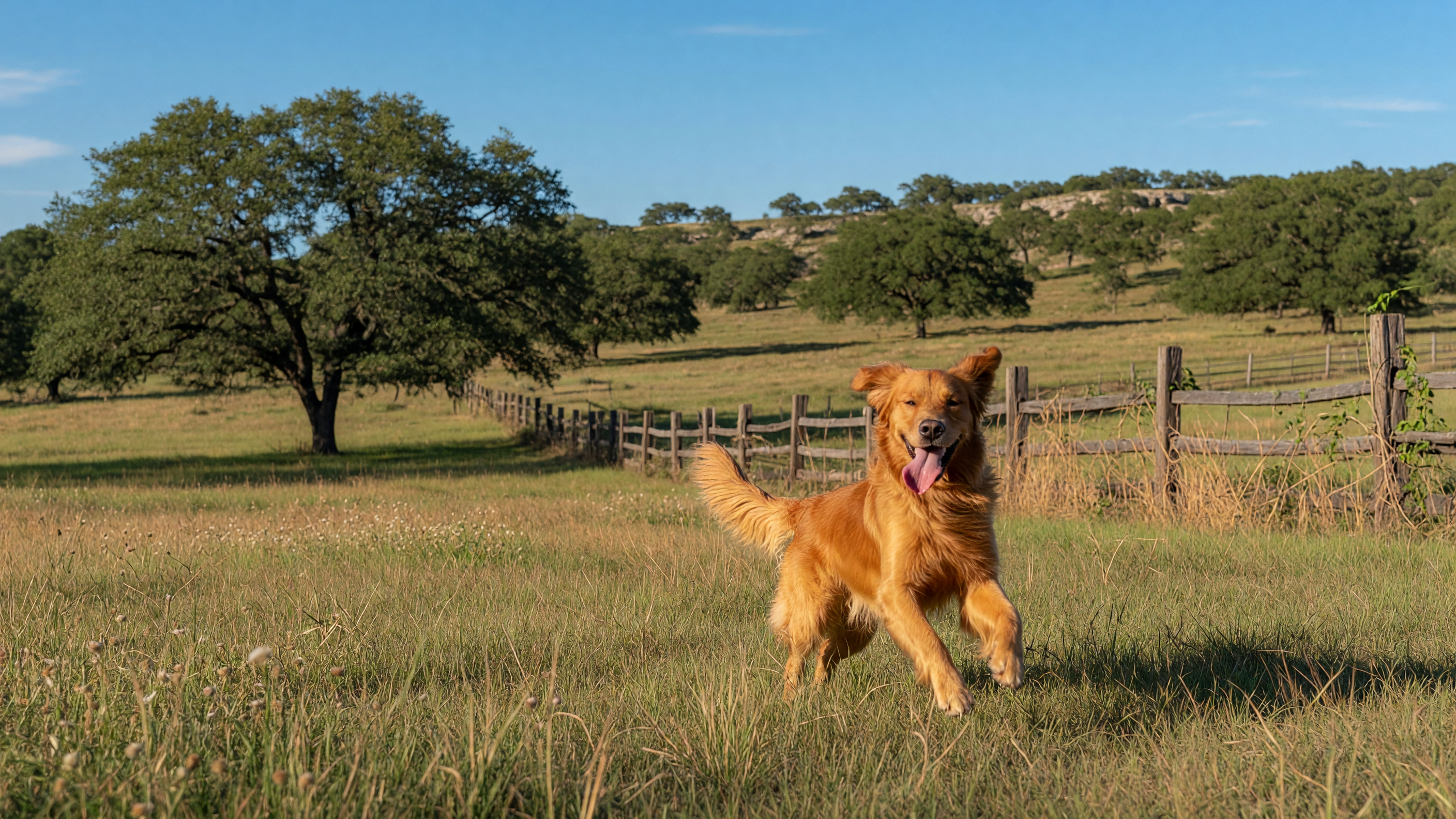
In the Texas Hill Country, the nearest ocean beach — Port Aransas or Corpus Christi — is approximately 3.5 to 4 hours from Boerne. That is a significant road trip, not a weekend afternoon. The Hill Country landscape is beautiful in its own way — limestone bluffs, rolling hills, clear rivers, and wildflower-covered meadows in spring — but it does not include the Pacific coastline, alpine forests, or desert vistas that define California's geography.
What California transplants miss specifically:
- The Pacific Ocean: Not just the beach — the smell of salt air, the sound of waves, the temperature of Pacific water (cold, but familiar). There is no substitute for this in Texas.
- Mountain access: California's Sierra Nevada, Big Bear, and Lake Tahoe offer skiing and alpine recreation within a few hours of the coast. Texas has skiing in New Mexico (Taos, about 10 hours) but no in-state equivalent.
- Climate variety within a day's drive: In California, you can escape to a different climate — cooler coast, warmer desert, snow-capped mountains — within a few hours. In Texas, the climate is more uniform across the state.
What replaces it: The Hill Country has its own outdoor identity. Hill Country rivers (Guadalupe, Blanco, Comal) offer tubing, kayaking, and fishing. Enchanted Rock State Natural Area provides genuine granite dome hiking. The Texas Hill Country wine region offers scenic drives and vineyard visits. It is a different outdoor experience — not a lesser one, but a different one.
Cultural Institutions and Social Networks
The cultural infrastructure of California's major metros — the SF MOMA, the Getty, the de Young, LACMA, the California Academy of Sciences, the Berkeley Rep, major concert venues, and the breadth of independent bookstores, galleries, and performance spaces — is not replicated in the Hill Country or San Antonio. San Antonio has quality cultural institutions — the San Antonio Museum of Art, the Witte Museum, the DoSeum, and a growing performing arts scene — but the scale is different.
Social networks are the deeper loss. After decades in California, most people have built extensive social circles — neighbors, colleagues, parents from their kids' schools, friends from gyms and clubs and dinner parties. Those relationships took years to develop. Starting over in a new community at age 55, 60, or 65 is possible, but it requires deliberate effort and patience that many people underestimate.
Family proximity is the most personal cost. If your children, grandchildren, or aging parents remain in California, the 2,000-mile distance is a real emotional weight. You can fly — San Antonio to LAX is about 3 hours — but it is not the same as driving 20 minutes to your grandkid's birthday party. This is the cost that is hardest to quantify and hardest to mitigate.
Outdoor Recreation: What Changes and What Emerges
California's outdoor recreation portfolio is hard to match anywhere in the United States. Ocean kayaking in Monterey Bay, skiing at Mammoth or Squaw Valley, hiking in Yosemite or the Marin Headlands, surfing in Santa Cruz, mountain biking in Moab (okay, that is Utah, but the point stands) — these are defining activities for many California residents.
Texas does not replicate these activities. But it offers its own outdoor culture that California transplants often grow to appreciate:
- Year-round outdoor activity: While summer heat limits midday outdoor time, the Hill Country's mild winters mean hiking, biking, and paddling are accessible from October through April without any cold-weather gear. California's rainy season (November through March) often limits outdoor activity; Texas's dry winters do not.
- Water sports on Hill Country rivers: The Guadalupe, Comal, Frio, and Blanco rivers offer tubing, kayaking, canoeing, and swimming. The water is clearer and warmer than many California rivers.
- Hunting and fishing: Texas has a robust hunting culture — deer, dove, quail, and wild turkey seasons are community events in Hill Country towns. Fishing, particularly for Guadalupe bass (the state fish), is popular and accessible.
- Stargazing: The Hill Country's darker skies (outside San Antonio's light pollution) offer genuine stargazing — something that is increasingly difficult in California's metropolitan corridors.
Access and Convenience: The Small Things That Add Up
Some of the things Californians miss are mundane but persistent. These are the daily friction points that emerge in the first six months:
- Amazon delivery speed: In the Bay Area and Los Angeles, same-day or next-day Amazon delivery is the default. In the Hill Country, standard delivery is two to three days, and same-day is often not available. This is a minor inconvenience, but it shifts your purchasing habits. You plan further ahead.
- Retail diversity: Certain California stores and services may not have Hill Country locations. Trader Joe's, Whole Foods (one in San Antonio, none in Boerne), specific specialty shops, and certain service providers may require a drive to San Antonio or simply be absent.
- Specialty food shopping: If you are accustomed to 99 Ranch Market, H Mart, or the specialty grocery stores of the Bay Area, you will find the Hill Country selection more limited. H-E-B is an outstanding regional grocer — genuinely better than many California chains for everyday shopping — but it does not replicate the ethnic specialty grocery landscape of coastal California.
- Cultural programming: Specific California cultural events — from restaurant weeks to gallery walks to music festivals — may not have direct equivalents. San Antonio's First Friday art walk, the San Antonio Stock Show & Rodeo, and Fiesta San Antonio are significant events, but the density of cultural programming is different from what California transplants are accustomed to.
What Californians Think They Will Miss but Do Not
The other side of this conversation is equally important. Many things that California transplants anticipate missing turn out not to matter — or to be genuine improvements:
- Traffic: The Bay Area's traffic congestion (1–2 hours each way on 101 or 880) is a quality-of-life drain that most people do not fully appreciate until they leave it. A 20-minute commute in Boerne is a 20-minute commute — it does not become 45 minutes because of an accident on the highway. Most California transplants cite reduced commute stress as one of the top three improvements in their daily lives.
- Cost of living: California transplants consistently report that the lower cost of living — housing, dining, services, insurance — creates genuine financial breathing room. The higher property tax is real (see our property tax comparison), but for most households the net savings are significant.
- Fire season anxiety: If you lived through California wildfire seasons — the smoke, the evacuation warnings, the air quality alerts, the insurance cancellations — the absence of that annual stress is a meaningful mental health improvement. Texas has its own natural hazard risks (ice storms, flooding, tornadoes), but the persistent summer fire anxiety that defines much of California life is gone.
- Water restrictions: California's recurring drought restrictions — limits on lawn watering, car washing, and outdoor water use — are not a daily concern in the Hill Country. Water availability in the Hill Country depends on well capacity or municipal supply, but the regulatory framework is less restrictive than California's.
- Crowding: The density of California's population centers — the wait at restaurants, the crowded trails, the competition for parking, the difficulty getting reservations — is substantially reduced in the Hill Country. You can walk into most restaurants without a wait. Popular hiking trails are busy on weekends but not unpleasantly crowded.
How to Cope: Building a Life That Works
The California transplants who build satisfying lives in the Hill Country tend to follow a few common patterns:
- Visit California regularly. Budget for two to four trips per year. The flight is short and relatively affordable if booked in advance. Seeing friends, visiting favorite restaurants, and spending time at the coast keeps the California connection alive without the cost and stress of living there.
- Build new routines, not replicas. Do not try to recreate your California life in Texas. Instead, discover the Texas equivalent. Replace your Bay Area hiking group with a Hill Country paddling group. Swap your California wine club for a Texas winery membership. The activities are different but the purpose — community, routine, enjoyment — is the same.
- Invest in the first year. Join organizations, attend community events, volunteer, take classes. The Hill Country communities have active civic cultures — Rotary clubs, garden societies, volunteer fire departments, church groups, pickleball leagues, and wine-tasting groups all offer entry points. The effort required is front-loaded; once your social network develops, the returns compound.
- Stay connected digitally. Maintain regular video calls with California friends and family. Join California-based online communities for hobbies, professional networks, or shared interests. Distance is real, but it is more manageable than it was a generation ago.
- Allow the transition period. Most California transplants report that the first six months are the hardest. By year two, the new routines are established. By year three, most describe the Hill Country as home. Give yourself the time.
What Texans Love Most That Californians Did Not Expect
Every California transplant I have worked with who has been in the Hill Country for more than a year eventually mentions a few things that genuinely surprised them — things they did not anticipate appreciating:
- The sky. Hill Country sunsets and night skies are consistently cited as one of the most unexpectedly powerful changes. Without the marine layer and urban light pollution of coastal California, the sky in the Hill Country is enormous and vivid.
- The people. Texan hospitality is not a marketing slogan — it is a lived experience. Neighbors introduce themselves. Strangers help with directions. Community members show up for each other. The social warmth is a genuine and daily difference.
- H-E-B. This is the one California transplants least expect to rave about. The Texas grocery chain H-E-B is a cultural institution. The quality of its prepared foods, its local sourcing, its store brands, and its community involvement consistently exceeds expectations. Many California transplants describe H-E-B as better than their preferred California grocery stores.
- Financial breathing room. The combination of no state income tax, lower housing costs, and reduced daily expenses creates a tangible sense of financial relief that changes how people live. Retirees extend their travel budgets. Families fund college savings they could not afford in California. Young professionals buy homes earlier than they expected.
- The pace. The slower, less pressured rhythm of Hill Country life — which initially feels like "nothing is happening" to California transplants — eventually becomes one of the things they value most. Less urgency. More space. Fewer obligations competing for every hour.
Making the Transition With Your Eyes Open
Moving from California to Texas is not about replacing one life with a better one. It is about building a different life that fits your current priorities — financial security, community, pace, and space. The things you miss are real and worth acknowledging. The things you gain are equally real.
If you are evaluating the move, I am happy to talk through what the transition actually looks like — not the brochure version, but the honest version. Having navigated this transition with dozens of California families, I have a clear picture of what works, what does not, and what to plan for.
For a complete look at the financial comparison, see our California vs Texas cost of living breakdown. For community options, review the city comparison guide. And for the step-by-step logistics, see the 90-day relocation checklist.
Written by
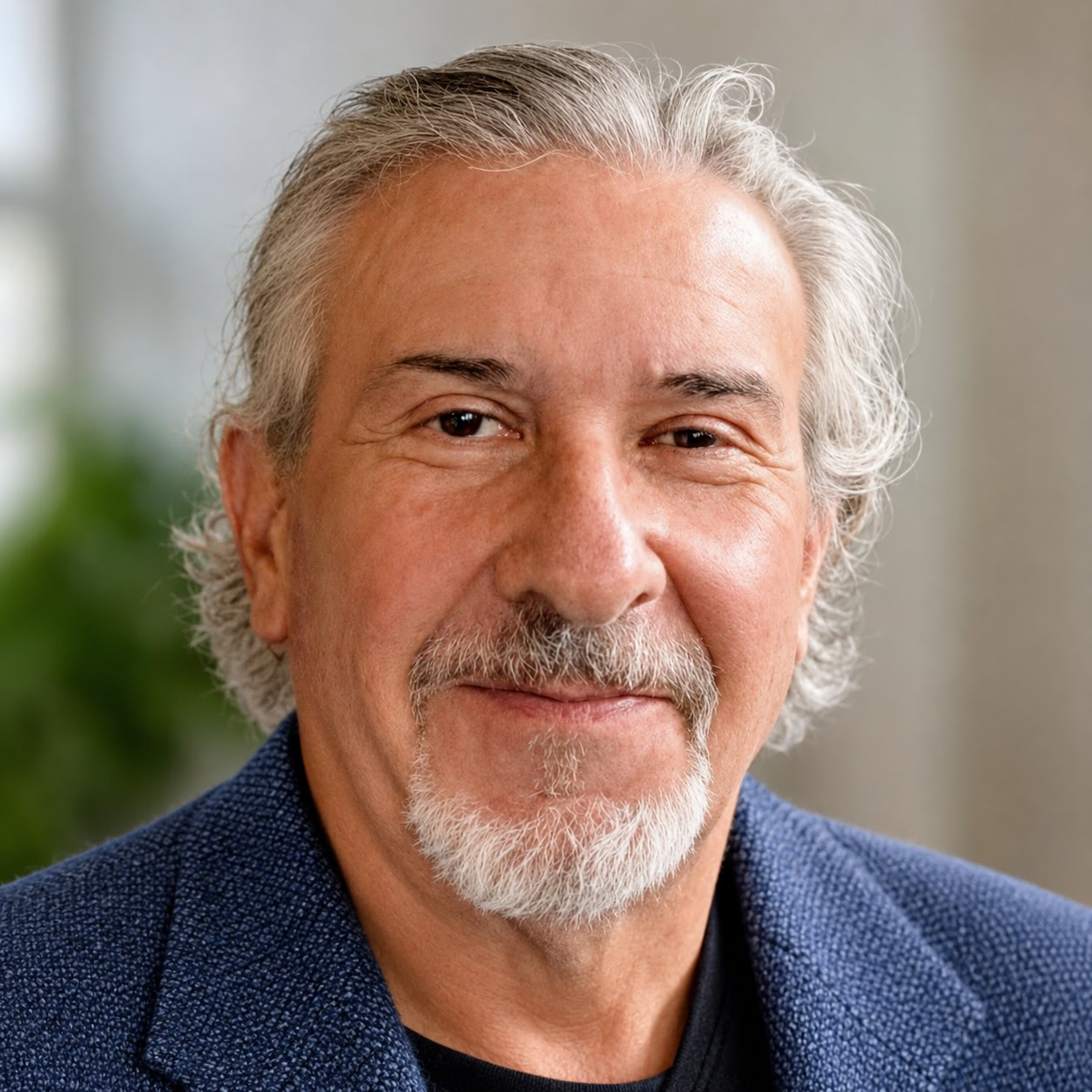
Bill Ross
Hill Country Homesteads Group, brokered by KW Boerne
Bill Ross is a Texas real estate agent with nearly four decades in high-tech sales and a network of 1,000+ California real estate agents for coordinated cross-state transactions. Recognized in USA Today and The Washington Post for his relocation expertise.